
 Helping Kids Make Their Own Healthy Choices
(Without Turning Meals Into a Battlefield)
Parents who wanttheir kids to make healthy choices are usually juggling two goals at once:
raising capable, independent humans and keeping everyone fed, rested, and reasonably sane. The tricky part is that “healthy choices” can’t be installed like an app. They’re learned through repetition, access, and a sense of ownership—especially once kids realize they can say “no” to basically everything. If you’re feeling stuck between strict rules and total chaos, you’re not alone. Most families do best with a middle path: clear structure, lots of practice, and small choices that add up.
A few takeaways you can use today
Healthy choices stick better when kids feel some control, not when they feel controlled.
Think in terms of “defaults” (what’s normal at home) and “options” (what they can pick). Keep goals simple: more fruit/veg exposure, more movement, more sleep consistency, fewer power struggles. And remember: the win isn’t perfection—it’s a child who can choose well even when you’re not there.
The quiet power of defaults
Kids makedecisions based on what’s easiest and most available. If the pantry is a vending machine, they’ll act like it. If the kitchen makes balanced snacks simple, they’ll drift that direction more often. Try shifting from rules to setup:
● Putready-to-eat fruit at eye level in the fridge.
● Pre-portion snacks you’re happy to see them grab.
● Keep water easy(a fun bottle, cold pitcher, cups within reach).
● Offersweetssometimes, but don’t make themrare treasure—mystery fuels
obsession.
When the home environment does half the work, you don’t have to “police” every bite.
The“Choice Ladder” method(aquickhow-to)
The goal is to teach kids how to decide—not to decide for them forever.
1. Start with twoacceptable options.
“Do you want yogurt or peanut butter toast?”
2. Add one tiny responsibility.
“Pick your fruit and rinse it.”
3. Invite feedback after.
“How did that snack make yourbody feel—still hungry, good, too full?”
4. Let them choose the timing(within boundaries).
“Snack is available after homework, before dinner.”
5. Graduate to planning.
“Choose two snacks for the week. We’ll shop for them.”
This ladder builds confidence and reduces battles because “yes” is built into the system.
What to say when they want the less-healthy option
Here’s a quick table you can steal. The tone matters as much as the content.
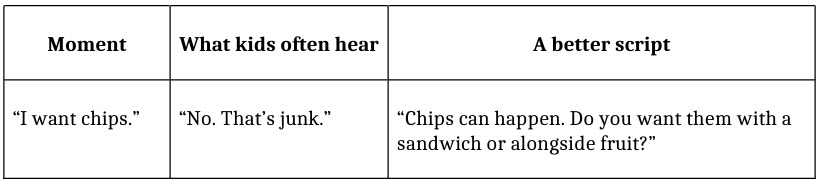
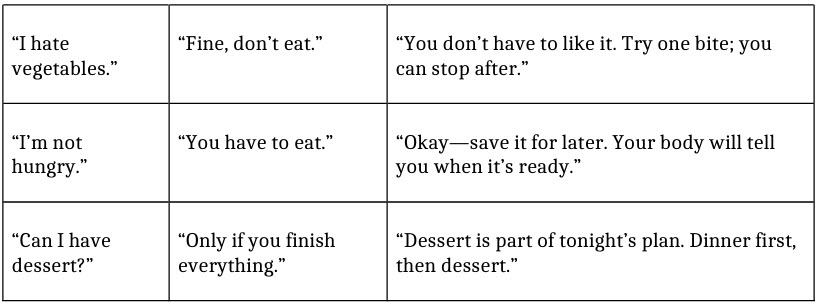
Notice the theme: calm structure, no shame, no bribery.
Mindfulness belongs in health choices, too
Healthy decisions aren’t just about food—they’re also about how kids handle stress,
impulse, frustration, and distraction. One practical way to support that is to encourage your
kids to practice mindfulness through small habits: a one-minute “quiet check-in” before
school, a few deep breaths before homework, or noticing five things in the room when
they’re upset. It doesn’t need incense or a meditation app; it just needs repetition. When
they learn to stay in the present instead of worrying about the past and future, they are
better able to remain positive and achieve their goals. Over time, that emotional steadiness
can makehealthier choices feel easier—because they’re not choosing from a stressed-out
brain.
Family habits that quietly teach healthy decision-making
Ashort bulleted list—because parents deserve simple.
● Eat together when you can.It’s less about “perfect meals” and more about modeling.
● Serve“deconstructed” meals (taco-style plates, bowls, mix-and-match). Kids can
build what feels safe.
● Name what food does in neutral language:“Protein helps you stay full,” “Fiber helps
your tummy.”
● Normalize trying, not loving. The goal is exposure, not instant enthusiasm.
● Keep sleep and screens in the conversation. Hunger and mood are tied to both.
FAQ
How do I get my picky eater to try new foods?
Use tiny steps. Offer a “learning bite” with no pressure to finish. Keep repeating foods even after rejection—many kids need lots of exposures. Pair new foods with safe foods so the plate doesn’t feel like a trap.
Should I ban sugar?
Usually, strict bans can increase obsession and sneaking. Many families do better with
predictable access (dessert on certain days, sweets included occasionally without drama).
Structure beats scarcity.
What if my child only wants snacks instead of meals?
Try “snack plates” that look like snacks but act like meals: cheese or yogurt + fruit +
crackers + veggies + a dip. Also check timing—kids who graze all afternoon may not feel
hungry at dinner.
How do I handle grandparents or others who give too many treats?
Aimfor clarity, not conflict. Share your household approach: “We do sweets sometimes, but
not as rewards. If you’d like to bring something, fruit, popcorn, or a special breakfast works
great.”
When should I worry about my child’s eating habits?
If you see rapid weight change, persistent restriction, fear of foods, frequent stomach complaints, or intense anxiety around eating, it’s worth discussing with your pediatrician or aregistered dietitian.
A resource that’s worth bookmarking If you want atrustworthy, parent-friendly guide that covers nutrition, sleep, activity, and emotional wellness without alarmist messaging, check out the American Academy of Pediatrics’ Healthy Children resource. It’s written for families and tends to be practical rather than preachy. You can use it to sanity-check internet advice and to find age-specific tips (toddlers to teens).
Conclusion
Kids learn healthy choices best when they get real practice making choices inside a
supportive structure. Focus on shaping the environment, offering acceptable options, and keeping food and health talk neutral and steady. Progress often looks like “slightly better decisions” repeated over months, not instant transformation. You’re building a lifelong skill set—one snack, one bedtime, one calm conversation at a time
by Meredith Jones